
GUIDANCE
Metals
Deciding on which metal to choose for your jewellery is a key decision in the process. Many factors have to be considered as all metals differ in their properties. We have broken down these factors for you.
Lifestyle
Lifestyle is a key element to considering when deciding, for example is the wearer has a more ‘hands on’ career, choosing a softer metal such as gold might not last the wearer as long as a more durable metal like platinum would. If the recipient is more prone to wearing white jewellery over gold jewellery then considering the natural white occurring metals would be a good starting point.
Colours
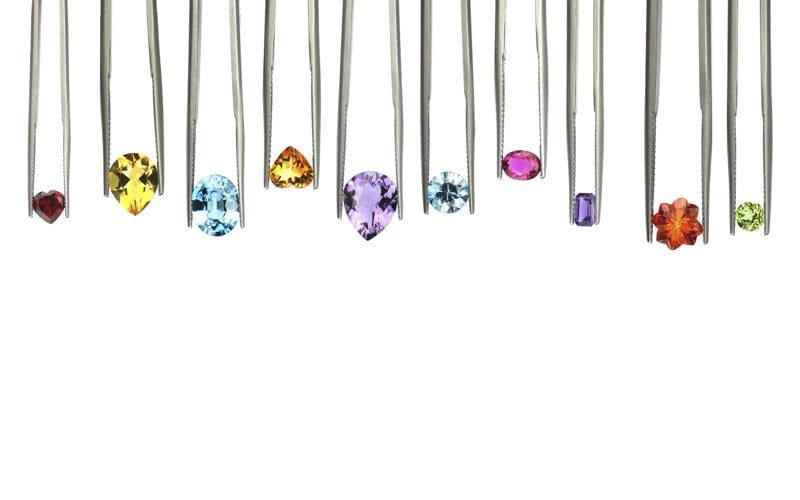
Creating the perfect match between metal colour and gemstone colour is integral to your perfect piece. A colour clash between a metal and a gemstone can ruin the design and will not be as impactful as a complimenting combination.
Style
The style of ring can be a determining factor in the decision process, a piece that is quite heavy produced in a dense metal like platinum will be very weighty on the hand and if the recipient has delicate hands it won’t be a good choice, so considering a less dense white metal like palladium would be a great option to bring the weight down. However, a delicate piece in a soft metal can cause maintenance problems due to the lack of durability of the metal and lack of density within the metal so a more durable metal should be considered to assure strength within the piece.
Price
Budget is another key factor in determining which metal is the best metal for you. If your budget is strict and you can’t afford to have your gemstone set in a metal like platinum then considering the other white options like palladium or white gold is something to look into. Metal prices do fluctuate and as all prices of mounts for engagement rings are dictated by weight, it is common that the price can fluctuate too.
Platinum
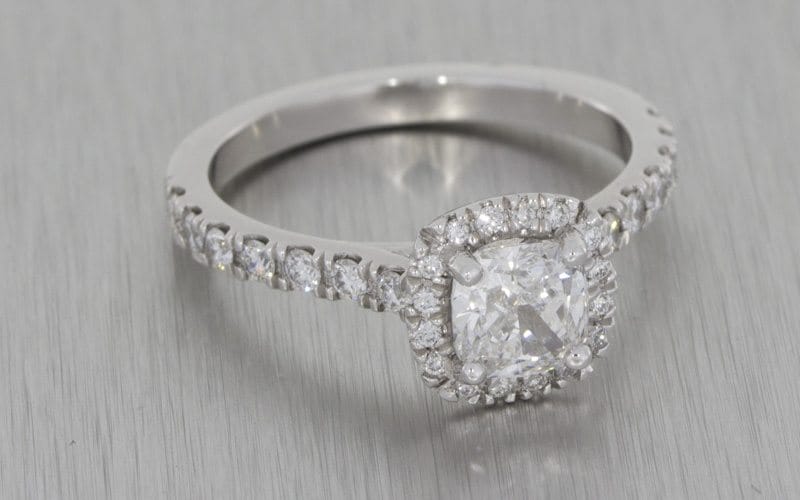
Platinum is a naturally white metal with a beautiful shine to it. It will not change colour with wear, but with wear, platinum will develop a soft patina (which can be polished out if you really want to!). Platinum is exceptionally dense, meaning it will feel weightier than gold. It is also the strongest of the precious metals we use making it a perfect match for holding large or valuable gemstones and making engagement and wedding rings.
Pros
- Most durable metal available
- Heaviest & densest metal you can choose
- Will withstand everyday wear
- Perfect for delicate pieces
- Natural white colour will always be preserved
- Hypoallergenic due to its purity
- Natural white colour compliments gemstones
- Easy to work with
Cons
- Might not be suitable for pieces of a substantial size or weight due to the metals high density
Care
Maintenance of all metals is down the lifestyle the wearer has. In the case of Platinum, due to its high durability the metal will naturally keep its white lustre but over time a slight sheen might develop on the surface of the metal which can always be polished by a professional jeweller to restore it back to its full lustre.
White Gold
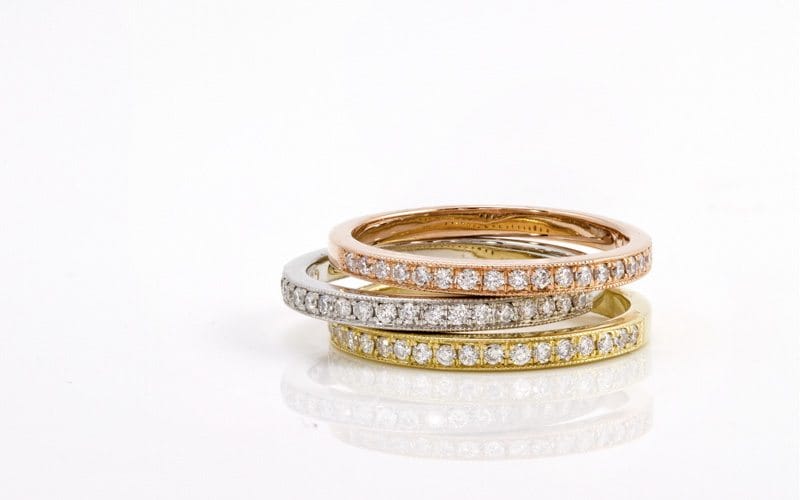
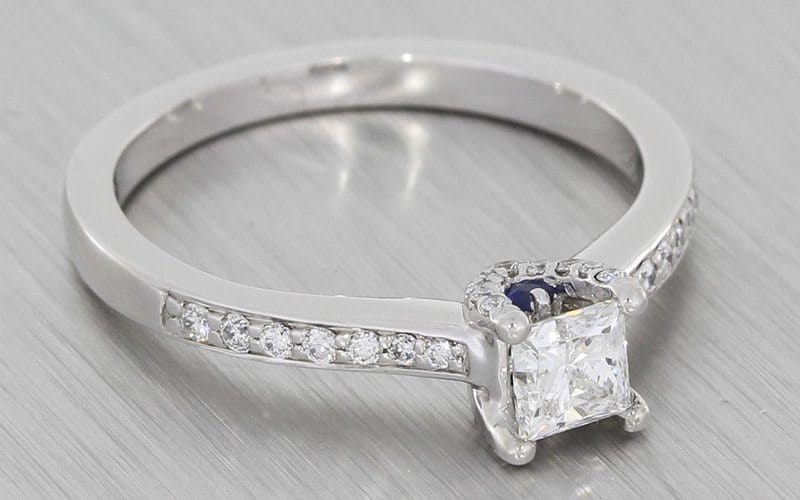
White gold is made from an alloy of pure gold and white metals such as palladium, platinum and silver. Depending on the level of purity, white gold will appear warm white in colour (18ct, 75% purity) or very pale yellow (9ct, 37.5% purity). As standard all white gold jewellery is finished with a fine layer of rhodium plating which is cool white in appearance. Rhodium plating will thin with wear and you may choose to maintain it by re-plating your jewellery every so often. Gold is a wonderful metal for fine jewellery, it is durable (when 18ct-9ct) and it is malleable enough to create intricate and interesting jewellery.
Pros
- A highly malleable material
- Easy to work with (resizing)
- White colour wonderfully compliments all gemstones
Cons:
- A naturally softer metal than Platinum
- Natural yellow hue will appear over time due to everyday wear
- The cost to re-rhodium plate accumulates over the years
Care
The rhodium plating will tend to wear off and reveal the yellowish hue of the white gold over time due to its 75% yellow gold content. Plating will have to be repeated every 12-18 months, depending on lifestyle.
Yellow Gold
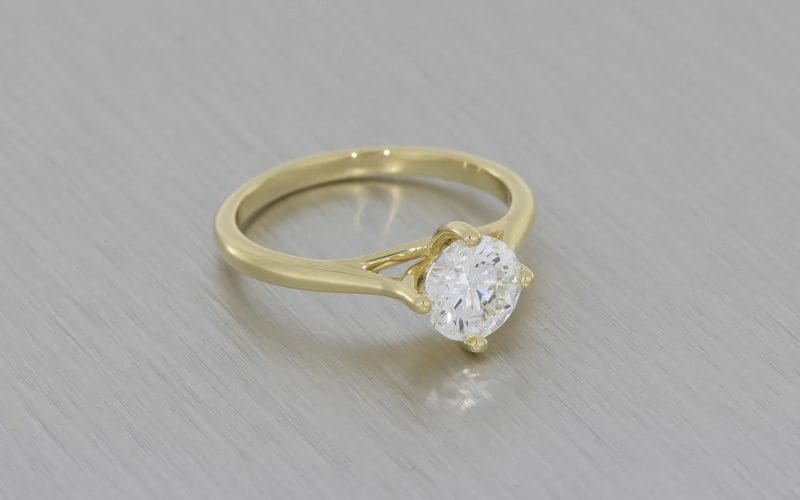
Naturally yellow in colour with a beautiful shine, gold has been used to create jewellery for thousands of years. Engagement and wedding rings are made with gold alloys for strength, yellow gold alloys are made from pure gold, silver and copper. Depending on the level of purity, yellow gold will appear rich and warm in colour (18ct, 75% purity) or paler and cooler (9ct, 37.5% purity). Gold is a wonderful metal for fine jewellery, it is durable (when 18ct-9ct) and it is malleable enough to create intricate and interesting jewellery.
Pros
- Very classic
- Natural yellow colour will always stay present
- Easy to work with (Resizing)
- Highly malleable material
Cons
- A naturally soft metal
- Gets thinner and more worn down over time
- Colour varies depending on karat
Care
Yellow gold over time will scratch and dent due to its natural softness, so will need to be cleaned and polished by a professional jeweller frequently depending on lifestyle.
Rose Gold
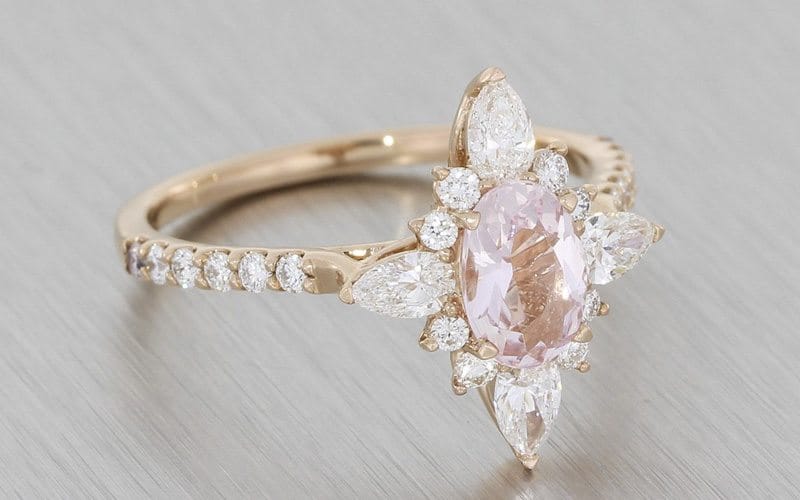
Rose gold or red gold is created by tweaking the proportions of copper in the alloy resulting in a beautiful warm colour. Engagement and wedding rings are made with gold alloys for strength, rose gold alloys are made from pure gold, silver and copper. Depending on the level of purity, rose gold will have a soft and subtle pink (18ct, 75% purity) or rosy and warm pink (9ct, 37.5% purity) appearance. Gold is a wonderful metal for fine jewellery, it is durable (when 18ct-9ct) and it is malleable enough to create intricate and interesting jewellery. Due to the higher proportions of copper in the rose gold alloy, rose gold is not hypoallergenic.
Pros
- More durable than yellow or white gold
- Warm pink colour retained over time
- Compliments all skin tones
Cons
- Not hypoallergenic, due to copper alloy
- Doesn’t compliment all gemstones
- Colour varies due to karat
- Can be difficult to work with (Soldering)
Care
Naturally rose gold will scratch due to everyday wear. Your lifestyle will dictate how frequently you will need to have your rose gold jewellery re-polished. Taking your piece to a professional jewellery for a clean and polish will bring your jewellery back to life.
Contemporary Metals
The Durham Rose Ethos <link> is to create rings with superb quality and excellent value. While contemporary metals such as palladium and titanium can be popular due to their affordability the difference isn’t always worth the initial financial saving. Rings are designed to be worn on the hand and therefore need to be wearable, workable (in case of any future adjustments or maintenance), and removable (in case of accident or emergency). Contemporary metals such as titanium are very challenging to work with and the savings previously making palladium an attractive alternative are no longer applicable since the price of palladium has significantly risen.
What is Hallmarking?
Hallmarking is an official stamp of quality guaranteeing that you are getting the exact purity of metal that you have purchased.
Here at Durham Rose we send your pieces to the trusted Sheffield Assay office for certification and hallmarking. Other locations for hallmarking are in Edinburgh, London and Birmingham each represented differently in the hallmark by distinguishing symbols.
Hallmarking is a necessary process that all jewellery manufacturers are obliged to do and this is an important element of the production process that ensures quality and certifies the value of your ring. This is necessary for some insurance companies and for ring valuations.

Understanding your Hallmark
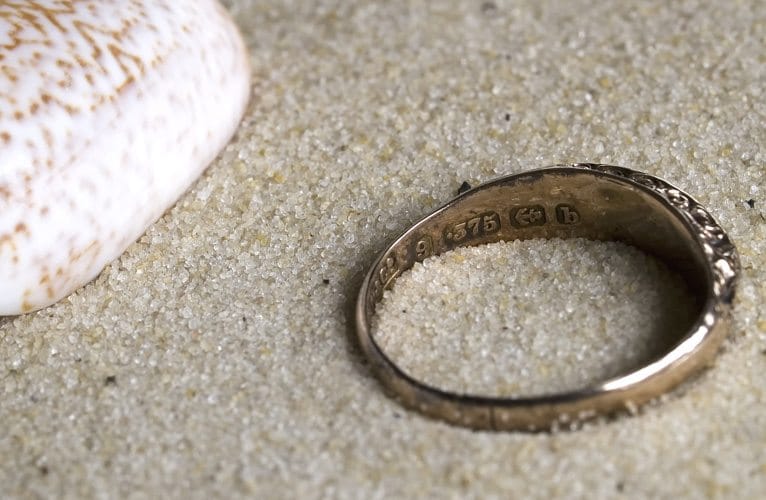
Your ring will be marked with a number of symbols which are;
- Durham Rose Sponsor’s Mark: formally known as a Maker’s Mark
- The Standard Hallmark Mark: demonstrating the standard of finesse, i.e. the purity of the precious metal content in parts per 1000. For example, 18 carat gold is 750 parts per 1000 by weight
- The Assay Office Mark: showing which Assay Office tested and marked the item – we use the Sheffield Assay
- The Date Mark: defined by a stamped letter shows the year in which the article was hallmarked
This is what this information would look like on the inside of your piece;
AS SEEN IN





TrustPilot Reviews
Christopher
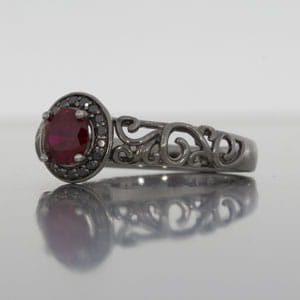
I did unwrap and it’s brilliant. Came out far better than what I could have imagined, it’s stunning. Love the metal work and definitely made the right decision on the bigger Ruby. Thank you for helping me design this ring. Looking forward...


Begin Your Journey
We’ve trodden the path hundreds of times before so whether you have a clear idea about your requirements or are just looking for more information, let us guide you seamlessly through the journey by getting in touch today.